
Views: 0 Author: Site Editor Publish Time: 2025-07-07 Origin: Site


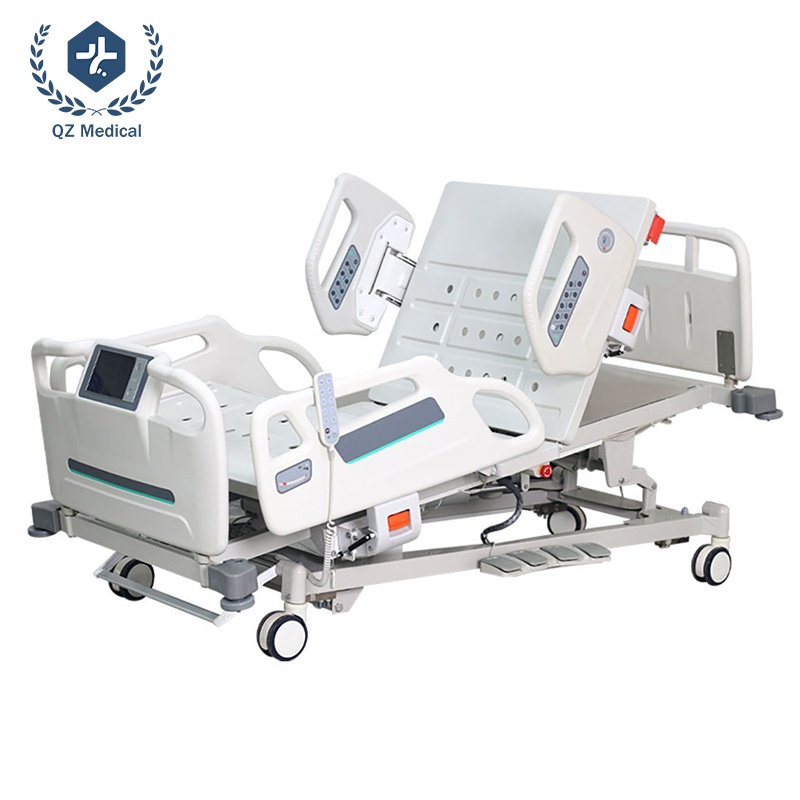
Introduction: The Rise of Smart Hospital Beds in Aging Populations
As global aging accelerates, smart hospital bed technology is emerging as a cornerstone of modern elderly care. By 2031, over 40% of beds in U.S. nursing homes are projected to integrate IoT-enabled features like real-time pressure monitoring and remote diagnostics, driven by rising demand for AI-powered healthcare solutions. For B2B buyers, this trend represents a $20 billion opportunity to invest in scalable, tech-driven infrastructure.
Market Snapshot: IoT Medical Beds Reshape Elderly Care
- Current Adoption : In 2025, the U.S. smart bed market penetration stands at 14–15% , with annual sales exceeding 4 million units.
- Growth Trajectory : Analysts forecast a CAGR of 17.4% for smart sleep and medical bed technologies, mirroring trends in AI-integrated healthcare devices.
- 2031 Outlook : By 2031, smart beds with IoT connectivity will dominate over 40% of U.S. nursing home beds , fueled by cost-saving demands and remote patient monitoring needs.
Key Drivers :
1. Pressure Monitoring Sensors : Reduce bedsores and hospital readmissions, cutting costs by up to 30% .
2. Remote Diagnostics : Enable telehealth integration, addressing staffing shortages in elder care.
3. AI-Powered Adjustments : Automate posture changes for immobile patients, enhancing care quality.
Why Europe & North America Lead Smart Bed Adoption
- Regulatory Push : Stricter safety standards mandate advanced features like fall detection and biometric tracking.
- Aging Demographics : Over 29% of Japan’s population relies on robotic caregiving tech, setting a blueprint for global adoption.
- B2B Investment : Hospitals and nursing homes prioritize IoT medical bed suppliers offering scalable cloud platforms for centralized patient management.
ROI for B2B Buyers: How Smart Beds Boost Profitability
- Reduce Operational Costs : Automated pressure monitoring slashes manual nursing checks by 50% .
- Attract Tech-Savvy Clients : 68% of families prioritize facilities with AI-enhanced care systems.
- Future-Proof Infrastructure : Early adopters gain a competitive edge as global smart medical bed markets near $621 billion by 2031.


