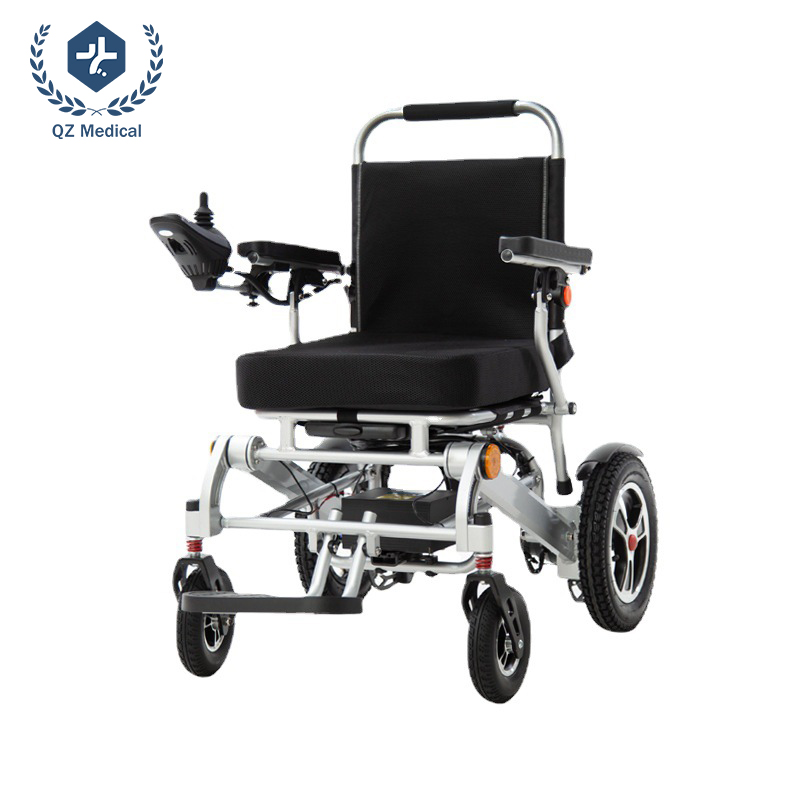
As the demand for long-term care continues to grow, nursing beds have become essential equipment in hospitals, nursing homes, and home care environments. Different patients require different levels of support, comfort, and safety, which means choosing the right nursing bed is critical for both caregivers and institutions. From basic manual nursing beds to advanced multifunction and wheelchair-integrated designs, understanding the differences between nursing bed types can help buyers make better procurement decisions and improve daily care efficiency. This guide explores key nursing bed categories and how to select the right solution based on care needs.
Choosing the right hospital bed is a critical decision for hospitals, nursing homes, and long-term care facilities. The choice between an electric three function hospital bed and a manual hospital bed directly affects patient comfort, caregiver efficiency, and long-term operating costs. While manual beds are still used in some settings, electric hospital beds are becoming the preferred option for long-term care and elderly care environments. This article compares electric and manual hospital beds from a professional procurement perspective to help buyers make an informed decision.
You may ask if a walker or rollator is better for you. A walker helps you stay steady and gives support. It is good if you have trouble balancing or need to rest your weight. A rollator has four wheels and a seat. It lets you move easily and stop to rest.