
Views: 0 Author: Site Editor Publish Time: 2025-12-05 Origin: Site


You may ask if a walker or rollator is better for you. A walker helps you stay steady and gives support. It is good if you have trouble balancing or need to rest your weight. A rollator has four wheels and a seat. It lets you move easily and stop to rest. People who need strong help often pick a walker. People who want to be active and go outside may like a rollator. Studies show walkers help with balance and healing. Rollators give comfort and make moving easy. Picking trusted brands like Quzhi Medical means you get safe and good products every time.
Pick a walker if you need strong support. Use it if you have trouble with balance or are healing from surgery.
Pick a rollator if you want to move around more easily. It is good if you need a seat to rest while walking.
Think about how well you can move and what you do each day before you choose a walker or rollator.
Always look for comfort and safety features. Choose trusted brands like Quzhi Medical before you buy.
Talk to a healthcare professional to make sure you pick the best mobility aid for your needs.
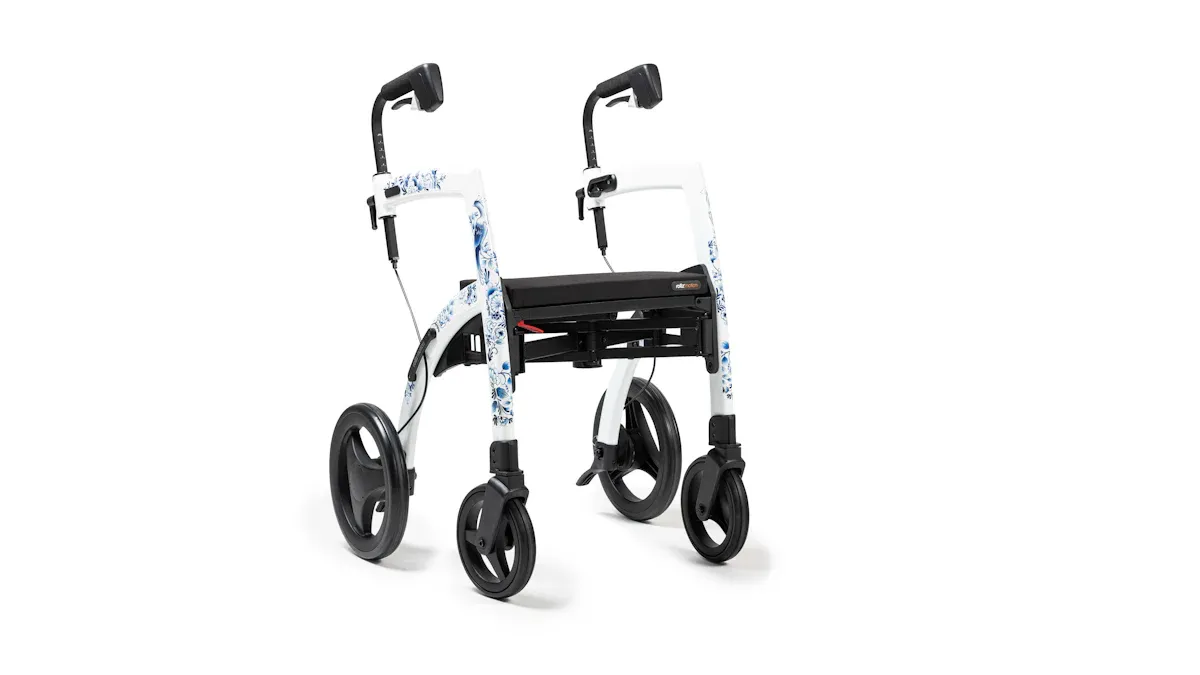
You might wonder how walkers and rollators are different. Both help you move, but they do not work the same way. A walker gives strong support. You need to lift or slide it as you walk. This can make you tired after a while. A rollator moves on four wheels. You push it forward, which feels easy and smooth.
Here is a table that shows the main differences:
Feature | Walker | Rollator |
|---|---|---|
Mobility Style | Lift or slide between steps | Glides smoothly with wheels |
Resting & Convenience | No seat, must find a place to rest | Built-in seat and backrest for breaks |
Storage & Extras | Simple design, few accessories | Bags, baskets, cup holders included |
Safety | Best for severe balance problems | Safe for steady walkers, adds comfort |
Ideal User | Short steps, needs strong support | Active users, longer outings |
Quzhi Medical checks every walker and rollator for safety. Their products go through many tests. You can feel sure your mobility aid is safe and works well.
You may wonder which device is best for you. A walker helps if you just had surgery, have bad arthritis, or get tired fast. It gives steady support and helps you feel safe. A rollator is good if you walk well but want extra help. It fits people with small balance problems or long-term health issues like COPD. You can use a rollator for longer walks and trips outside.
Here is a table that shows who benefits most:
Mobility Aid | Beneficial Populations |
|---|---|
Traditional Walker | Post-surgical patients, severe arthritis, major balance problems, tire easily |
Rollator | Steady walkers, mild balance issues, chronic conditions, active lifestyles |
Quzhi Medical cares about your comfort and safety. You can trust their walkers and rollators to help you every day.
A walker has a simple frame. Most walkers have four legs with rubber tips. These tips help you grip the floor. Some walkers have two front wheels. The wheels help you move forward more easily. A rolling walker has wheels on all legs. This makes it easier to push. The frame gives you strong support. You can lean on the walker if you feel weak. You can also use it if you feel unsteady. Studies show walkers help you keep your balance. Walkers help you walk with more confidence. Using a walker lowers your chance of falling. This is helpful if you have trouble staying steady.
Quzhi Medical checks every walker for safety. Their walkers go through 32 inspection steps. Each walker passes international safety tests. These tests include EU CE and ISO13485. You can trust your walker is safe and reliable.
You can use a walker in many ways. If you are healing from surgery, a walker helps you move at home. People with arthritis or weak muscles use walkers every day. You can use a regular walker for short walks inside. A walker with wheels works well outside. It helps you go longer distances. Walkers help you stand up from a chair or bed. They also help you during therapy or rehab.
Tip: Pick a walker that matches your height and weight. This keeps you safe and comfortable.
Here is a table that shows the main good and bad points of walkers:
Advantages | Disadvantages |
|---|---|
Caregivers and doctors think walkers are important for older adults. | Some people fall when moving between surfaces or turning. |
Walkers give strong support for walking and standing. | Walkers can feel heavy and hard to lift for some people. |
Some walkers have features to help with thinking skills. | Walkers are hard to use in small spaces like stairs or narrow doorways. |
Walkers can make noise, which may bother some people. |
You may need a walker if you have trouble moving or balancing. Walkers are good for older adults and people healing from injuries. They help anyone with weak muscles. If you need help to stand or walk, a walker gives steady support. A rolling walker is good if you want to move faster. It helps you go farther. A regular walker is best for short walks inside. Choose a walker if you want to feel safe and steady every day.
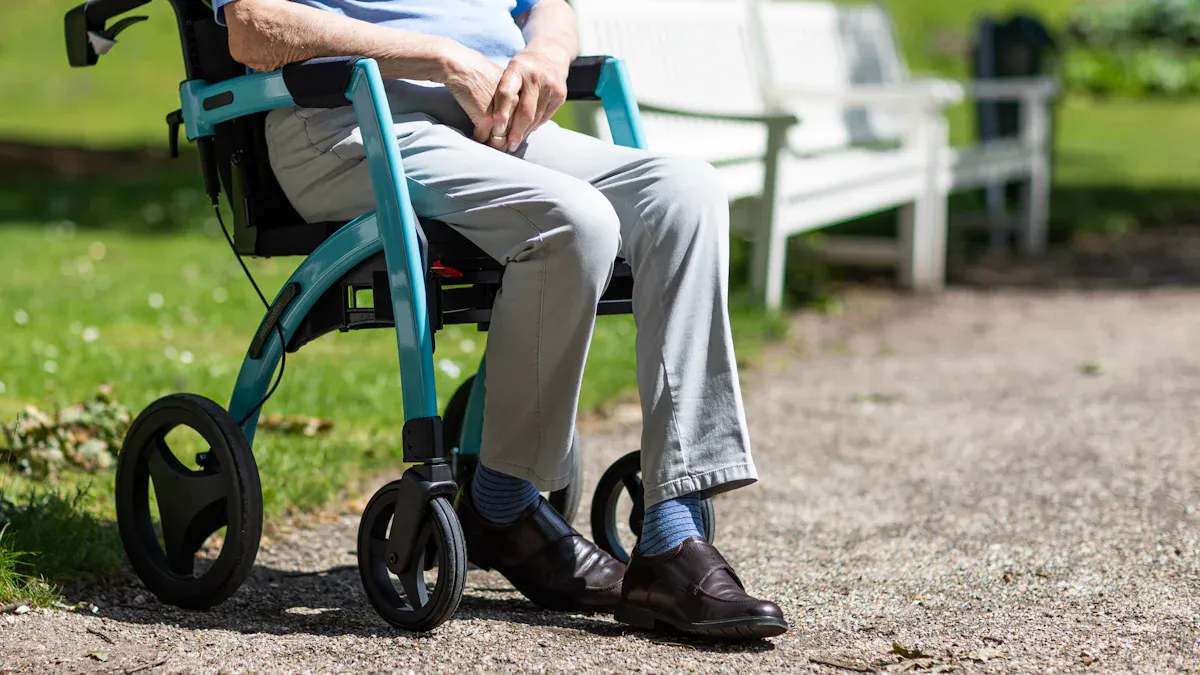
A rollator looks different from a regular walker. It has three or four wheels. You do not need to lift it to move. This makes walking easier and less tiring. Wheels come in many sizes. Small wheels are good for inside. Big wheels help outside on rough ground. Some rollators have wheels that turn. This helps you move in tight spots. Here is a table that compares rollators and walkers:
Design Element | Rollators | Traditional Walkers |
|---|---|---|
Wheel Configuration | Four wheels for continuous movement | Two wheels requiring lifting |
Braking System | Loop-style hand brakes for safety | No braking system |
Built-in Seating | Yes, allows for resting anywhere | No seating option |
Mobility Features | Smooth, natural walking rhythm | Stop-and-start pattern |
Quzhi Medical makes rollators that are safe and comfy. The frame is strong. The wheels roll smoothly.
A rollator has hand brakes you squeeze to slow down. These brakes keep you safe on hills and busy streets. You can lock the brakes and sit on the seat. The seat lets you rest during long walks. Using brakes and the seat lowers your chance of falling. You feel safe because you can stop and rest anytime.
Many rollators have pouches or baskets for storage. You can carry your phone or water bottle. Some rollators have seats that fold up. This makes travel easier. People like the neat look and handy storage. You do not have the bulky hospital style. You get more freedom.
Here is a table with the main pros and cons of rollators:
Pros | Cons |
|---|---|
Improved walking distance, pace, and speed | May decrease lower limb muscle activity |
Lower risk of falls | Requires basic mobility skills |
Encourages independence and social activity | Not ideal for very weak users |
Rollators help you walk farther and faster. You feel more free and safe.
You may need a rollator if you walk but want extra help. Rollators are good for people who get tired or need to rest. Seniors like the seat and easy movement. You need some walking skills to use a rollator. Handles adjust and grips feel good in your hands. Quzhi Medical has rollators that fit you and keep you safe.
Selecting the right mobility aid can change your daily life. You want to feel safe, move easily, and enjoy your activities. You need to think about your health, your home, and your routine. The right choice depends on your stability, mobility level, where you use the device, how easy it is to carry, and your budget. You can always ask Quzhi Medical for advice that fits your needs.
You need to feel steady when you walk. If you have trouble keeping your balance, a walker gives you strong support. You can lean on it and feel safe. A rolling walker helps if you want to move faster but still need help. If you only need light support, a rollator may work better for you. Some rollators have seats, so you can rest when you get tired.
Consider these points for stability:
Your height and weight matter. Pick a walker or rollator that fits you.
Lightweight models are easier to move.
Foldable walkers help if you travel often.
Wheels make movement smooth, but you must control them well.
Comfortable grips help if your hands hurt or feel weak.
Some people need a combination rollator-wheelchair for longer trips.
Tip: Always check for height adjustment and weight capacity before you buy a walker or rollator.
Your ability to walk and stand affects your choice. If you need to lean on your walker most of the time, you need a sturdy model. If you only need help with balance, a rollator may suit you. You can use a rolling walker if you want to move faster but still need support.
Here is a table to help you decide:
Factor | Choose a Walker If… | Choose a Rollator If… |
|---|---|---|
Weight-Bearing Need | You need to lean heavily on it. | You need light support for balance. |
Balance Issues | You have severe balance problems. | You tire easily but feel steady. |
Seating Need | You do not need a seat. | You want to rest often. |
Physical therapists say you should match your mobility aid to your walking ability. If you feel weak or worry about falling, a walker is best. If you want to walk longer distances, a rollator helps you stay active.
Think about where you will use your walker or rollator. If you stay inside most of the time, a standard walker works well. You can use it on smooth floors and in tight spaces. If you go outside often, a rolling walker or rollator with big wheels helps you move over rough ground. Some people use walkers to cross bridges or visit parks. Rollators let you walk farther and visit places like museums.
Small wheels are good for indoor use.
Large wheels help outside.
Both walkers and rollators work in many places.
Research shows many older adults use walking aids both inside and outside. You can ask a physical therapist to help you pick the right model for your environment.
You want your mobility aid to be easy to carry and store. Lightweight walkers and rollators help you move from place to place. Foldable designs make travel simple. You can put your walker in a car or closet. Some models have baskets or bags for your things. These features make outings more fun and less stressful.
Portability helps you feel confident in new places.
Foldable walkers and rollators are easy to transport.
Storage options add convenience.
Note: Always check if your walker or rollator fits in your car or storage space.
You need to think about cost when you choose a walker or rollator. High-quality models usually cost between $150 and $250. Some programs help you pay for your mobility aid. You can look for grants or equipment donations if you need help.
Here is a table with price ranges and assistance programs:
Price Range | Description |
|---|---|
~$150 | Lower end of the price range. |
$199.99 | Fair for what you get. |
$200–250 | Typical price range. |
Tip: Always check if your insurance covers walkers or rollators. Ask about grants or donations if you need help.
You can avoid common mistakes by checking the type, size, and weight of your walker or rollator. Make sure it fits your needs and feels comfortable. Regular maintenance keeps your mobility aid safe.
Quzhi Medical offers expert advice and high-quality products. You can contact their team for help choosing the best walker, rolling walker, or rollator for your lifestyle.
The right mobility aid helps you feel more independent and sure of yourself.
A walker is good if you need extra help to keep your balance.
A rollator lets you move around easily and take breaks when you want.
Pick a device that works well for your daily life and where you use it.
Make sure it feels comfortable, keeps you safe, and comes from trusted brands like Quzhi Medical.
Always talk to a healthcare professional. They can help you pick the best mobility aid for your needs and make sure you stay safe every day.
Walker | Rollator |
|---|---|
No wheels | Four wheels |
Must lift | Push easily |
No seat | Has seat |
You use a walker for strong support. You use a rollator for easy movement and resting.
Ask your doctor or physical therapist. Think about your balance, strength, and where you walk most. You choose a walker for more support. You choose a rollator for longer walks and outdoor trips.
You use a rollator both inside and outside. Big wheels help on rough ground. Small wheels work best on smooth floors. You pick the right size for your home and outdoor needs.
Wipe the frame with a damp cloth.
Check the brakes and wheels often.
Make sure grips feel secure.
Store your aid in a dry place.
You keep your device working well by doing regular checks.


